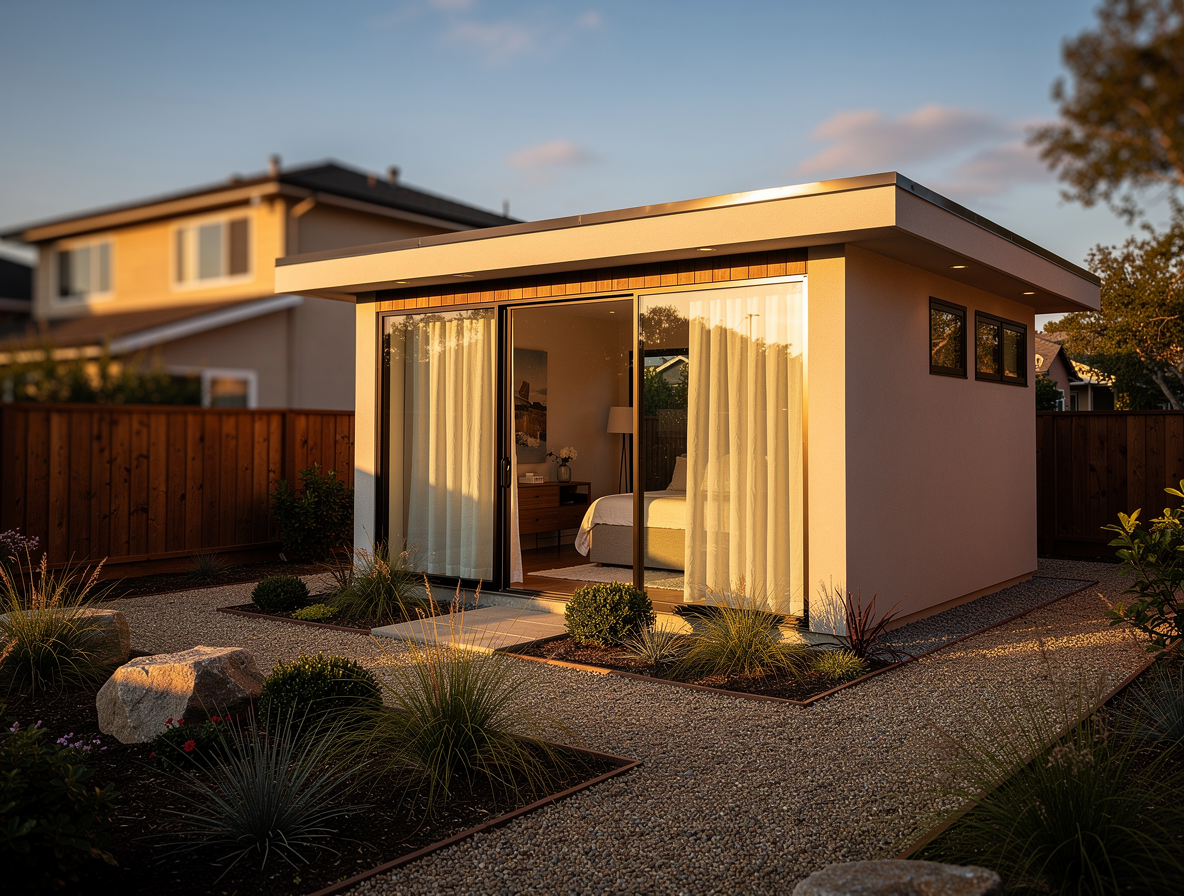
Welcome to the world of Accessory Dwelling Units—ADUs for short. If you're a California homeowner, you've likely heard the term tossed around at neighborhood barbecues or scrolled past it on a real estate blog. But what exactly is an ADU, and why is it causing such a stir? Simply put, an ADU is a secondary living space on your property. It's a self-contained unit with its own kitchen, bathroom, and sleeping area—think of it as a mini-home that can sit in your backyard, perch above your garage, or nestle into a corner of your existing house.
Then there's the Junior ADU, or JADU, a smaller cousin capped at 500 square feet. Unlike its bigger sibling, a JADU is carved out of your main home—say, by converting a spare bedroom or basement—and might share a bathroom with the primary residence (though it doesn't have to). Both options are legal, versatile, and increasingly popular across the Golden State. In fact, ADUs now account for roughly 20% of California's new housing permits—a sign of just how mainstream they've become. So, let's unpack what makes them tick and why they might just be the smartest addition to your property.
First, the full-fledged ADU. These can be detached (a standalone cottage), attached (like an extension off your house), or a conversion (turning your garage into a livable space). They're typically bigger—up to 1,200 square feet in many cases—and built for independence. Want a two-bedroom retreat with a full kitchen? That's an ADU. They're perfect for renters, extended family, or even as a downsizing option for you later on.
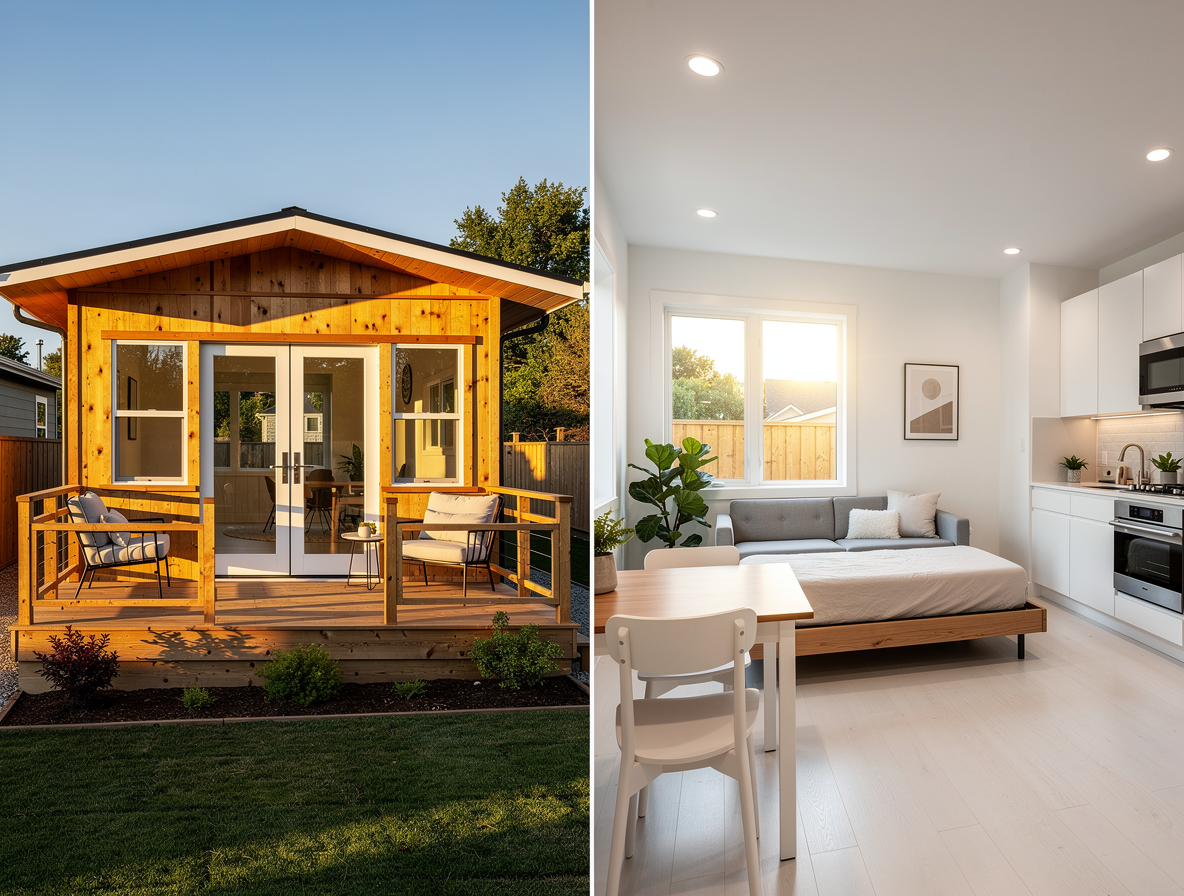
JADUs, on the other hand, are leaner. They max out at 500 square feet and stay within your home's footprint. Picture a studio setup with a kitchenette and a private entrance, maybe sharing your main bathroom. They're quick to build, less invasive, and ideal if you're testing the waters or short on outdoor space.
Important 2026 update on JADUs: Under AB 1154 (effective January 1, 2026), the rules around JADUs have shifted: - Owner-occupancy: If your JADU has its own separate bathroom, you are no longer required to live on the property as an owner-occupant. This opens the door for investors and homeowners who don't live on-site. - Short-term rental restriction: JADUs cannot be used as short-term rentals. They must be rented for a minimum of 30 days. This is designed to keep JADUs serving the housing supply, not the vacation rental market.
Which one's for you? It depends on your goals—more on that later.

ADUs aren't just a trend; they're a solution. Here's why they've got homeowners buzzing:
Let's weigh it out. An ADU can transform your property into a multi-purpose asset. If you rent it, you're diversifying your income—less reliance on that day job. If family moves in, you're saving them rent while keeping your own space sacred. And if you use it yourself—say, as a home office or guest suite—it's a luxury you didn't have before, all without buying a new place.
But it's not all sunshine. The upfront cost can sting (more on that in Chapter 4), and construction might disrupt your quiet evenings for a few months. Still, the payoff often outweighs the hassle. Think of it like planting a tree—the work's now, but the shade lasts years.
Before you grab a hammer, know this: ADUs come with rules. California has made them easier than ever to build—especially with the 2026 laws now in effect—but you'll still need permits, and your lot size or local zoning might limit your options. The good news? Recent legislation like SB 543 has streamlined permitting (including a 15-business-day completeness check and fee exemptions for ADUs under 750 square feet), and AB 1154 has clarified JADU rules to give homeowners more flexibility. Don't worry—we'll cover all that ahead. For now, just imagine the possibilities. A tenant paying rent. Your mom sipping coffee in her own kitchen. Or you, selling your home for more than you ever dreamed. That's the ADU promise.
Curious yet? Good. Start by walking your property. Where could an ADU fit? A sprawling backyard screams "detached unit," while a hefty garage whispers "conversion." No extra space? A JADU might be your move. This chapter's just the appetizer—next, we'll dig into the rules that make it all possible. For now, let the idea simmer. Your ADU adventure's just beginning.
With the basics of ADUs under your belt from Chapter 1, it's time to shift gears and get practical. Planning an ADU isn't just about dreaming up a cozy backyard cottage or a sleek garage conversion—it's about making smart, informed decisions that set your project up for success. This chapter walks you through the essential steps: checking zoning laws, picking the perfect ADU type, sketching your vision, budgeting accurately, and navigating permits. Follow this roadmap, and you'll sidestep headaches while moving confidently toward your goal.
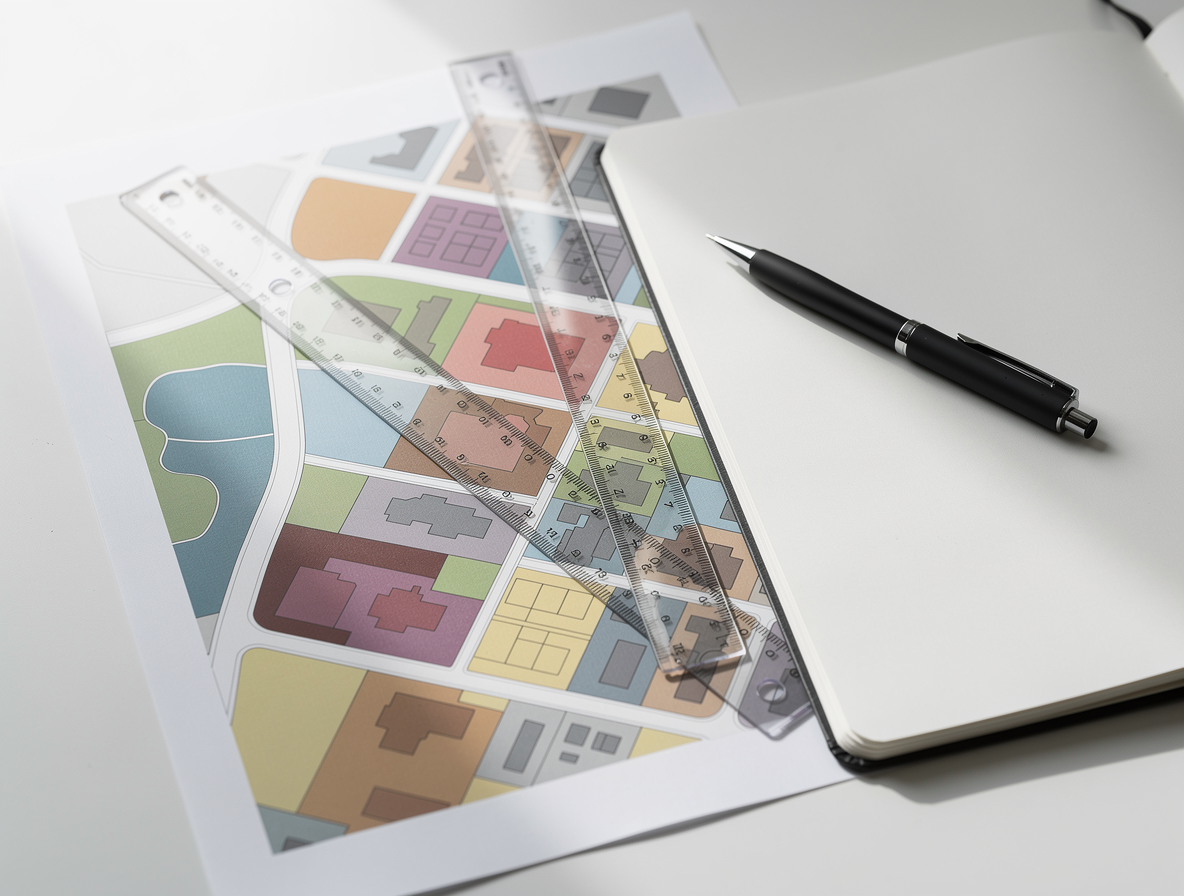
Before sketching floor plans or picking paint colors, you need to know what your property can handle. Zoning laws are the rulebook for what you can build and where, and they differ across California's cities and neighborhoods. Thanks to state laws, most single-family lots can host an ADU and a junior ADU (JADU), but local twists—like historic districts or coastal zones—can complicate things.
Here's your starting point:
Don't assume your neighbor's ADU is your green light—zoning can shift across the street. Verify your lot's specifics to avoid costly surprises later.
Now that you know what's allowed, it's decision time. Your ADU type should match your property, budget, and purpose. Here's the lineup:
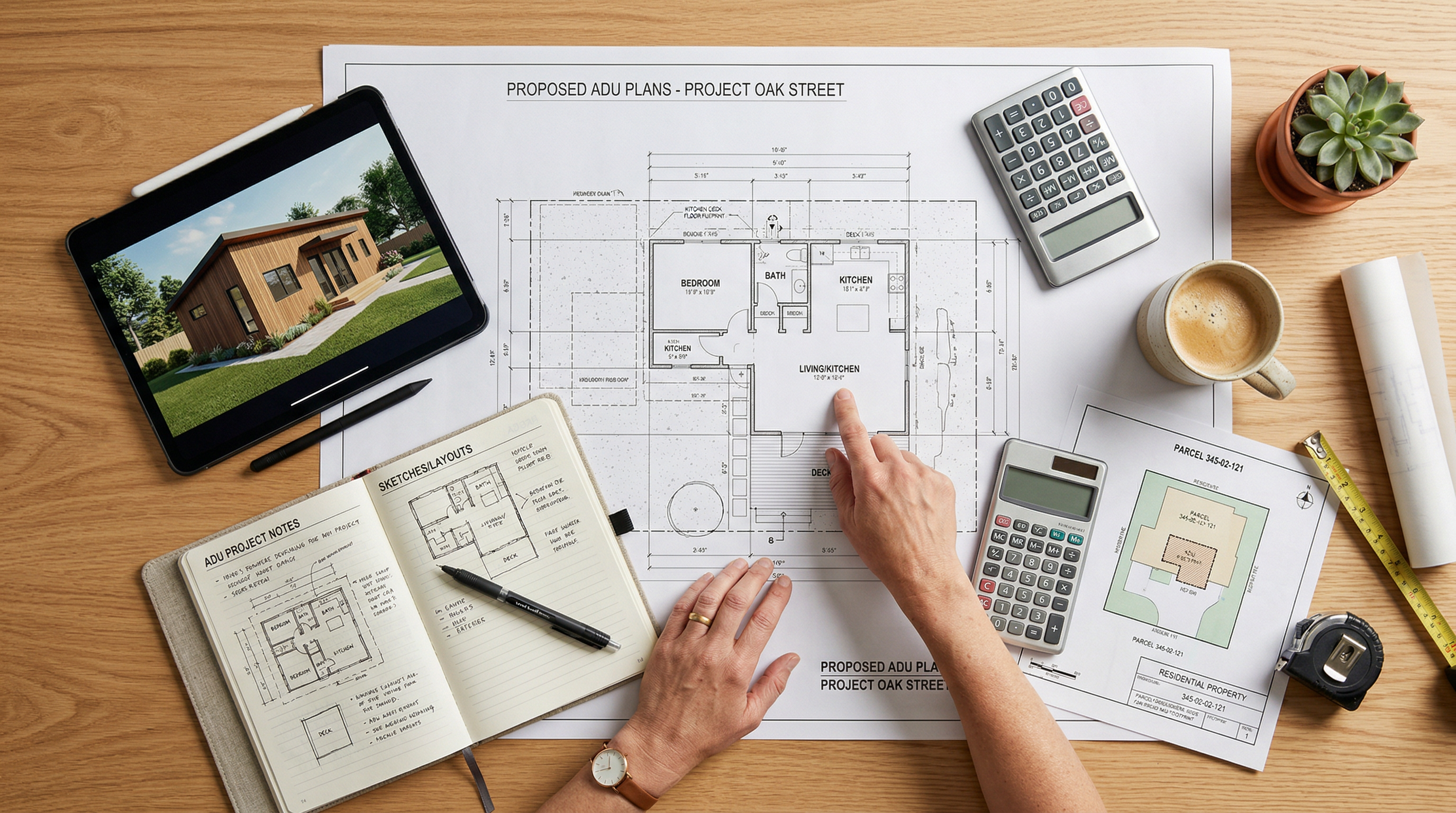
Weigh these factors: - Space: Big yard? Go detached. Tight lot? Lean toward a conversion or JADU. - Cost: Conversions and JADUs save cash by using existing structures; detached units cost more but can pay off in rent. - Intent: Rental income on the horizon? Detached or attached units appeal to tenants. Family staying close? A JADU might do the trick.
Table: ADU Type Comparison (2026 Costs)
| ADU Type | Space Needed | Cost Range (500 sq ft) | Best For |
|---|---|---|---|
| Detached | Large yard | $150,000–$300,000 | Rental income, privacy |
| Attached | Moderate space | $100,000–$200,000 | Family use, balanced cost |
| Conversion | Existing structure | $60,000–$130,000 | Budget builds, speed |
| JADU | Inside main home | $25,000–$65,000 | Low cost, family proximity |
With your type picked, start shaping your ADU's look and feel. This isn't about final blueprints yet—just a rough sketch to steer you forward. Ask:
Many cities offer free pre-approved ADU plans, a shortcut to skip design hassles and speed up permitting. Check your local website or ask at the planning desk. Even with these, you can tweak minor details—just avoid big changes that trigger extra reviews.
Money matters, and ADUs aren't cheap—but they don't have to break you either. Costs hinge on type, size, and extras. Here's a ballpark for 2026:
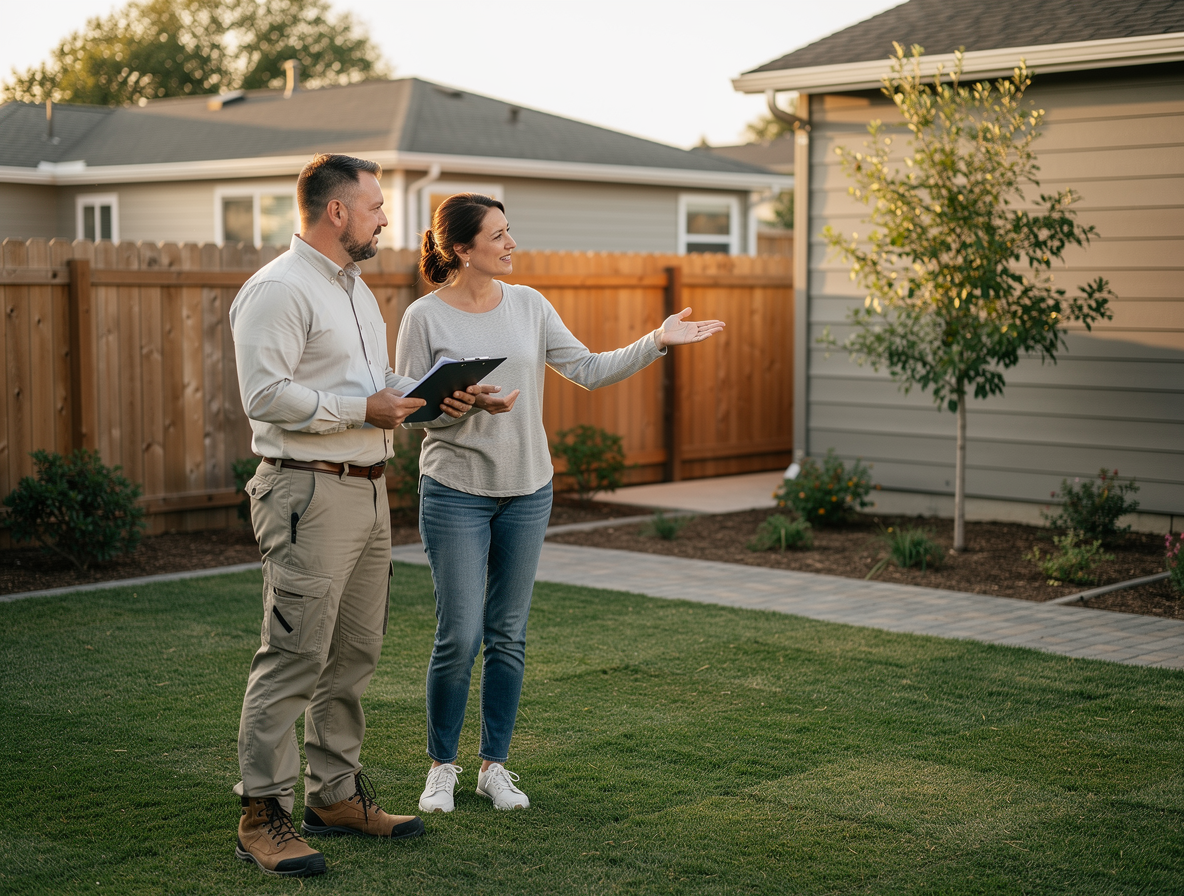
A 500 sq ft detached unit might run $150,000–$300,000, but tack on: - Permits: $0–$5,000. Under SB 543 (2026), most fees and charges are now prohibited for ADUs under 750 square feet—a major cost saver. For larger ADUs, fees typically range from $1,000–$5,000 depending on your city. - Utilities: $6,000–$18,000 for hookups (water, sewer, electric). - Design: Free with pre-approved plans, up to $12,000 for custom.
Unexpected hiccups—like rocky soil or code surprises—can inflate costs. Build in a 10–20% cushion to stay safe.
Permits turn your plan into reality, and California's made it easier than ever—especially with the 2026 regulatory updates. Here's the drill:
Table: Permit Timeline (2026)
| Stage | Timeframe | Notes |
|---|---|---|
| Plan Prep | 1–2 weeks | Pre-approved plans save time |
| Completeness Check | Up to 15 business days | New under SB 543 |
| Review & Approval | Up to 60 days | Auto-approval if delayed |
| Construction | 3–12 months | Depends on type, contractor |
| Inspections | 1–2 weeks | Book early to keep moving |
Tap your city's ADU desk or "one-stop shop" for guidance—they're built to streamline this for you.
Planning isn't foolproof—here's how to dodge the traps:
Reach out to your planning department early—a quick consult can clarify rules and save you grief.
Planning your ADU means blending practicality with vision. By mastering zoning, picking the right type, sketching a solid plan, budgeting smart, and nailing the permit process, you're laying a rock-solid foundation. The 2026 regulatory updates—especially SB 543's fee exemptions and faster completeness checks—have made this process more homeowner-friendly than ever. Next up, we'll tackle designing your ADU from vision to reality.
★ SB 543 (2026) requires cities to complete the completeness check within 15 business days
With your ADU plans taking shape, it's time to tackle the financial side of the project. Building an ADU is a significant investment, but it's also one that can pay dividends—both in rental income and increased property value. In this chapter, we'll explore the costs involved, financing options, and budgeting strategies to help you fund your ADU without breaking the bank. By the end, you'll have a clear roadmap to navigate the financial landscape and make informed decisions that fit your budget and goals.
Building an ADU involves several expense categories, each of which can vary based on your location, the type of ADU, and the materials you choose. Here's a breakdown of the typical costs you can expect in 2026:
These are averages—your actual costs will depend on factors like ADU size, type (detached, attached, or conversion), and location. Garage conversions will generally be less expensive than new detached units.
Table: Estimated ADU Cost Breakdown (500 sq ft, 2026)
| Expense Category | Low Estimate | High Estimate |
|---|---|---|
| Permits and Fees | $0* | $10,000 |
| Design and Planning | $2,500 | $12,000 |
| Construction | $130,000 | $300,000 |
| Utilities | $6,000 | $18,000 |
| Landscaping and Finishes | $6,000 | $12,000 |
| Total | $144,500 | $352,000 |
*ADUs under 750 sq ft may be exempt from most permit fees under SB 543 (2026).

There are several ways to finance your ADU project, each with its own advantages and drawbacks. The best choice depends on your financial situation, risk tolerance, and long-term goals. Here's an overview of the most common options:
Table: Financing Options Comparison
| Financing Option | Pros | Cons |
|---|---|---|
| Home Equity Loan/HELOC | Low interest rates, tax-deductible interest | Requires home equity, risk of foreclosure |
| Construction Loan | Tailored for building projects | Higher interest rates, short-term |
| Personal Savings | No debt, no interest payments | Depletes savings, opportunity cost |
| Government Grants | Free money, no repayment | Limited availability, strict requirements |
| Crowdfunding/Family Loans | Flexible terms, community support | Potential for strained relationships, legal complexities |
Choosing the right financing option requires careful thought. Consider consulting a financial advisor to evaluate which method aligns with your budget and long-term plans.
Creating a realistic budget is crucial for keeping your ADU project on track. Here are proven strategies to help you manage costs effectively:

While building an ADU requires a significant upfront investment, it can provide substantial returns over time. Here's how to estimate your potential ROI:
Important caveat: The rental income figures above are gross income. Your actual net returns will be lower after accounting for expenses such as maintenance, vacancy periods, insurance, property taxes, and any loan payments. A realistic vacancy rate in most California markets is 3–5%, and annual maintenance costs typically run 1–2% of the ADU's construction cost.
Chart: Cumulative Gross Rental Income Over 5 Years
| Rental Rate | Year 1 | Year 2 | Year 3 | Year 4 | Year 5 | Total |
|---|---|---|---|---|---|---|
| Low ($2,000/mo) | $24,000 | $48,000 | $72,000 | $96,000 | $120,000 | $120,000 |
| Medium ($3,000/mo) | $36,000 | $72,000 | $108,000 | $144,000 | $180,000 | $180,000 |
| High ($4,000/mo) | $48,000 | $96,000 | $144,000 | $192,000 | $240,000 | $240,000 |
This chart shows how rental income can offset your initial investment. For example, with a medium rental rate of $3,000 per month, you'd earn $180,000 over five years—potentially covering a significant portion of your construction costs.

Beyond immediate financial returns, an ADU offers long-term flexibility. It can serve as a home for aging parents, adult children, or even as a retirement space for yourself. This versatility adds intangible value to your property, making it a wise investment for the future.
In this chapter, we've explored the financial aspects of building an ADU—from understanding 2026 costs and financing options to budgeting wisely and calculating potential returns. The good news: recent legislation like SB 543 has reduced the financial barriers for smaller ADUs, and the growing prefab market offers more affordable pathways than ever. By approaching your ADU project with a clear financial plan, you'll not only make the construction process smoother but also maximize the long-term benefits for you and your family.
In the next chapter, we'll delve into the permitting process—ensuring your ADU complies with all local regulations and sails through approval.
Building an accessory dwelling unit (ADU) in California is an exciting opportunity to expand your property's potential, but it comes with a critical hurdle: securing the necessary permits and approvals. This process ensures your ADU is safe, functional, and aligned with state and local regulations. While it might feel like a labyrinth at first, a clear understanding of the steps, potential obstacles, and compliance requirements can transform this journey into a manageable task. In this chapter, we'll walk you through the permitting process—including major 2026 regulatory changes that have streamlined and simplified the experience—address common challenges, and share expert insights to help you succeed.
Obtaining permits for your ADU involves a series of well-defined steps. Here's how it typically unfolds in California under the 2026 rules:
Zoning and Feasibility Check: Start by confirming your property is zoned for an ADU. Visit your city's planning department website or office to review zoning rules, such as lot size, setbacks, and height restrictions.
Plan Development and Submission: Create detailed construction plans, including floor plans, elevations, and utility connections. Some cities provide pre-approved ADU plans to simplify this step. Submit these to your local building department.
Completeness Check (New for 2026): Under SB 543, your city must now determine whether your application is complete within 15 business days of submission. If documents are missing, they must notify you promptly—no more waiting months only to discover your application was incomplete. This is a significant improvement over the previous process.
Application Review: Under California law, cities must review complete ADU applications within 60 days. If your plans comply with regulations, approval is granted. If the city fails to act within 60 days, your application is auto-approved by state law.
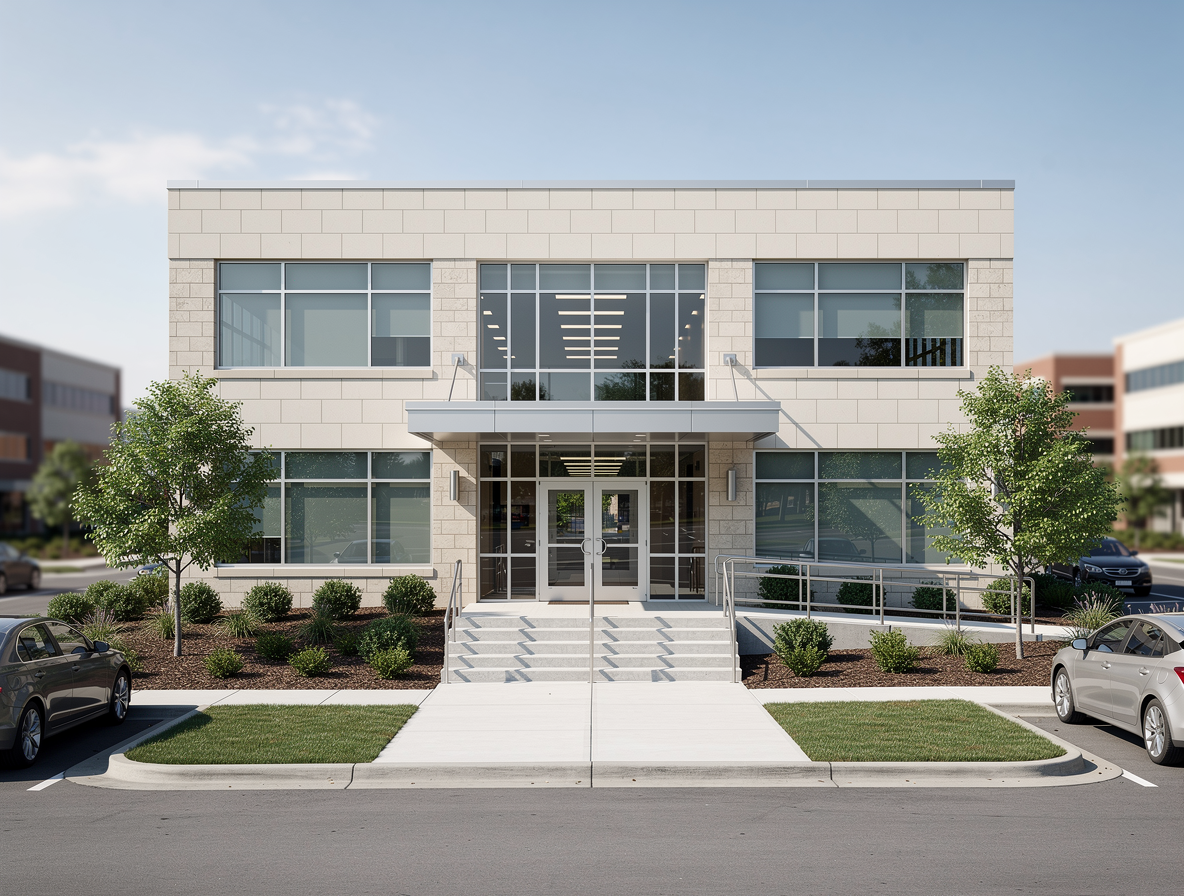
Permit Issuance and Fees: After approval, pay the required fees and receive your building permit. Critical 2026 update: Under SB 543, most fees and charges are now prohibited for ADUs under 750 square feet. This includes impact fees, connection fees, and other charges that previously added thousands to ADU costs. For ADUs over 750 sq ft, fees typically range from $1,000–$5,000+ depending on your location.
Construction Inspections: As your ADU takes shape, schedule inspections at key milestones: foundation, framing, utilities, and a final review. These ensure compliance with safety and building codes.
Certificate of Occupancy: Pass the final inspection to obtain a certificate of occupancy, signaling your ADU is ready for use.
Flowchart: ADU Permitting Timeline (2026)
✦ New under SB 543 (2026)
Two major pieces of legislation took effect on January 1, 2026, and they significantly impact the ADU permitting and compliance landscape:
If your property is in a coastal zone or a county under a Governor-declared state of emergency (post-Feb 1, 2025), California Assembly Bill 462 provides expedited ADU approval: - 60-day coastal development permit approval (runs alongside normal ADU permitting) - For disaster-damaged main homes: ADU can get certificate of occupancy before main house is rebuilt - Simplified coastal appeal process in many cases
Check with your local agency if your area qualifies. Most of California is not under these provisions.
Even with the streamlined 2026 process, challenges can emerge. Here's how to address the most common ones:
Table: Permitting Hurdles and Fixes
| Issue | Fix |
|---|---|
| Missing Documentation | Follow checklists, hire a pro; 15-day completeness check catches gaps early |
| Zoning Restrictions | Revise plans or pursue variance |
| Utility Coordination | Pre-plan with contractor and utilities |
| Community Concerns | Engage neighbors, propose solutions |
Compliance with state and local rules is essential for a legal and safe ADU. Focus on these key areas:

Table: Compliance Essentials (2026)
| Category | Key Requirements |
|---|---|
| Building Standards | Safety, energy efficiency (Title 24) |
| Accessibility | Wide doors, step-free access |
| Fire Protection | Alarms, sprinklers where required (JADU rules aligned per SB 543) |
| Parking | Varies by location; relaxed near transit |
| JADU Rentals | 30-day minimum (AB 1154); no short-term rentals |
| Fees | Prohibited for ADUs under 750 sq ft (SB 543) |
Meeting these standards protects your investment and ensures long-term usability.
Streamline your experience with these practical pointers:
Mastering the permitting and approval process is your gateway to a successful ADU project in California. The 2026 regulatory updates—SB 543's streamlined completeness checks, fee exemptions, and AB 1154's JADU clarifications—have made this process more homeowner-friendly than ever. By following the steps, preparing for challenges, and prioritizing compliance, you'll move from concept to completion with confidence. In the next chapter, we'll dive into financing your ADU and making the numbers work.
Once your accessory dwelling unit (ADU) has its foundation and walls, the focus shifts to making it a standout space—one that's practical, comfortable, and appealing to its intended users, whether family, renters, or yourself. This chapter dives into the essentials of interior design, key amenities, energy-saving strategies, and cutting-edge technology to elevate your ADU. Tailored for California homeowners, these insights ensure your ADU is both a valuable asset and a delightful place to live.
Great ADU design balances aesthetics with the realities of a smaller footprint. The goal is a space that feels open and inviting, even if it's just 400 square feet. Here's how to achieve that:
Table: Smart Furniture Solutions
| Furniture | Purpose |
|---|---|
| Loft Bed | Sleep above, work or store below |
| Nesting Tables | Stackable for flexible use |
| Pull-Out Sofa | Seating by day, bed by night |
| Built-In Bench | Seating with hidden storage |
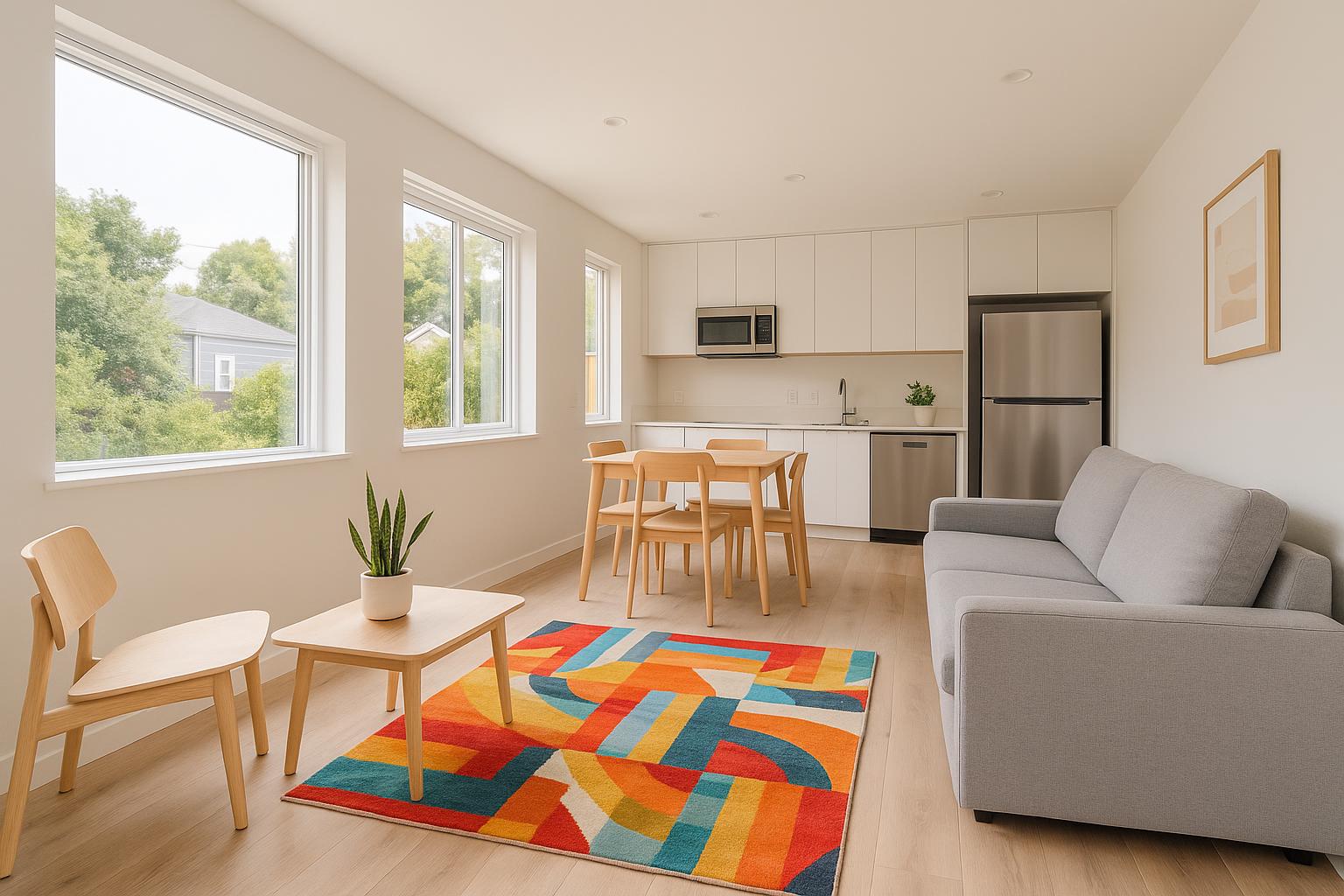
An ADU isn't just an extra room—it's a standalone home. Equip it with amenities that ensure comfort and independence:
Table: Core ADU Amenities
| Amenity | Value Added |
|---|---|
| Compact Kitchen | Supports self-sufficient living |
| Functional Bathroom | Ensures privacy and usability |
| Temperature Regulation | Comfort across seasons |
| Storage Options | Maintains order in tight quarters |
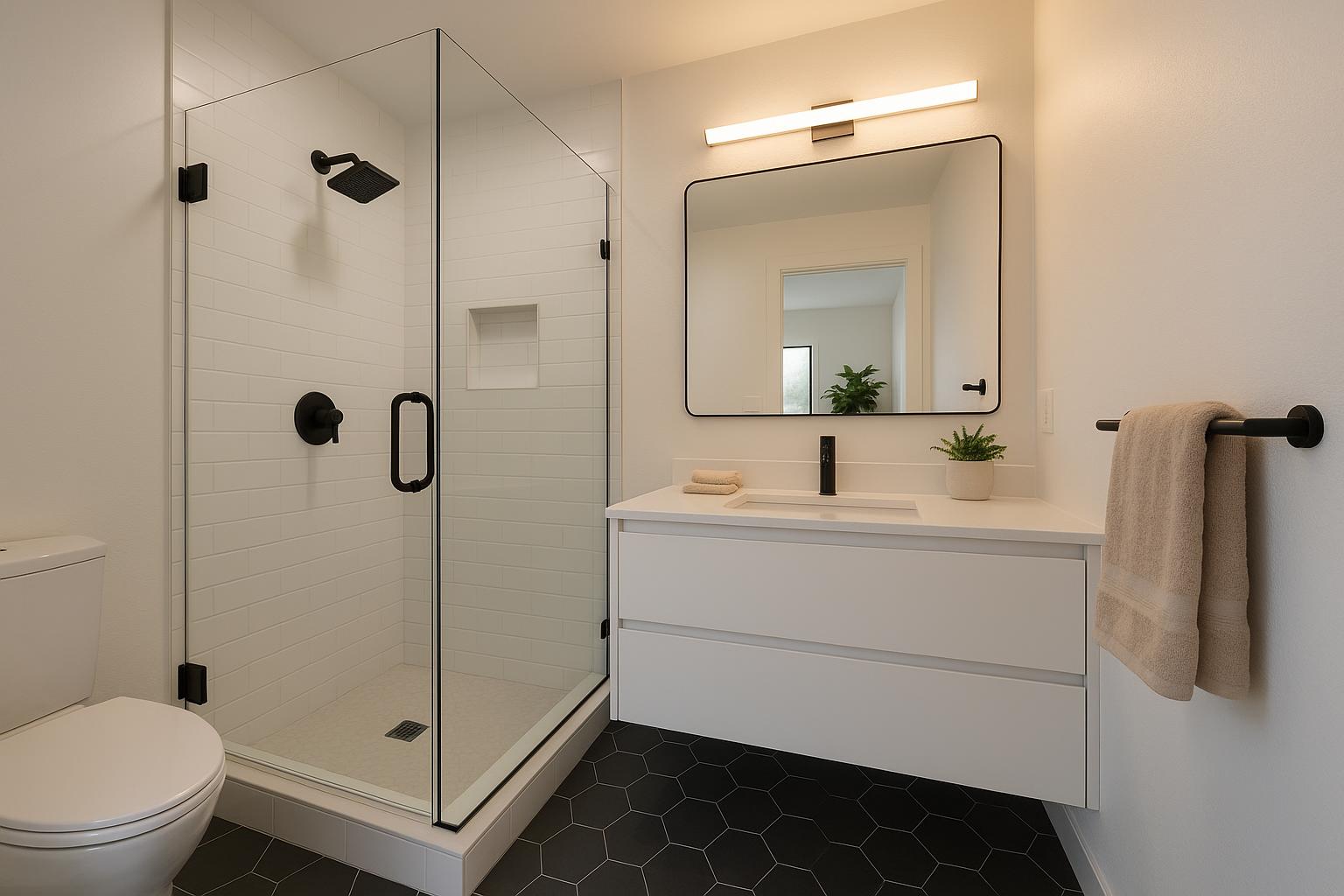
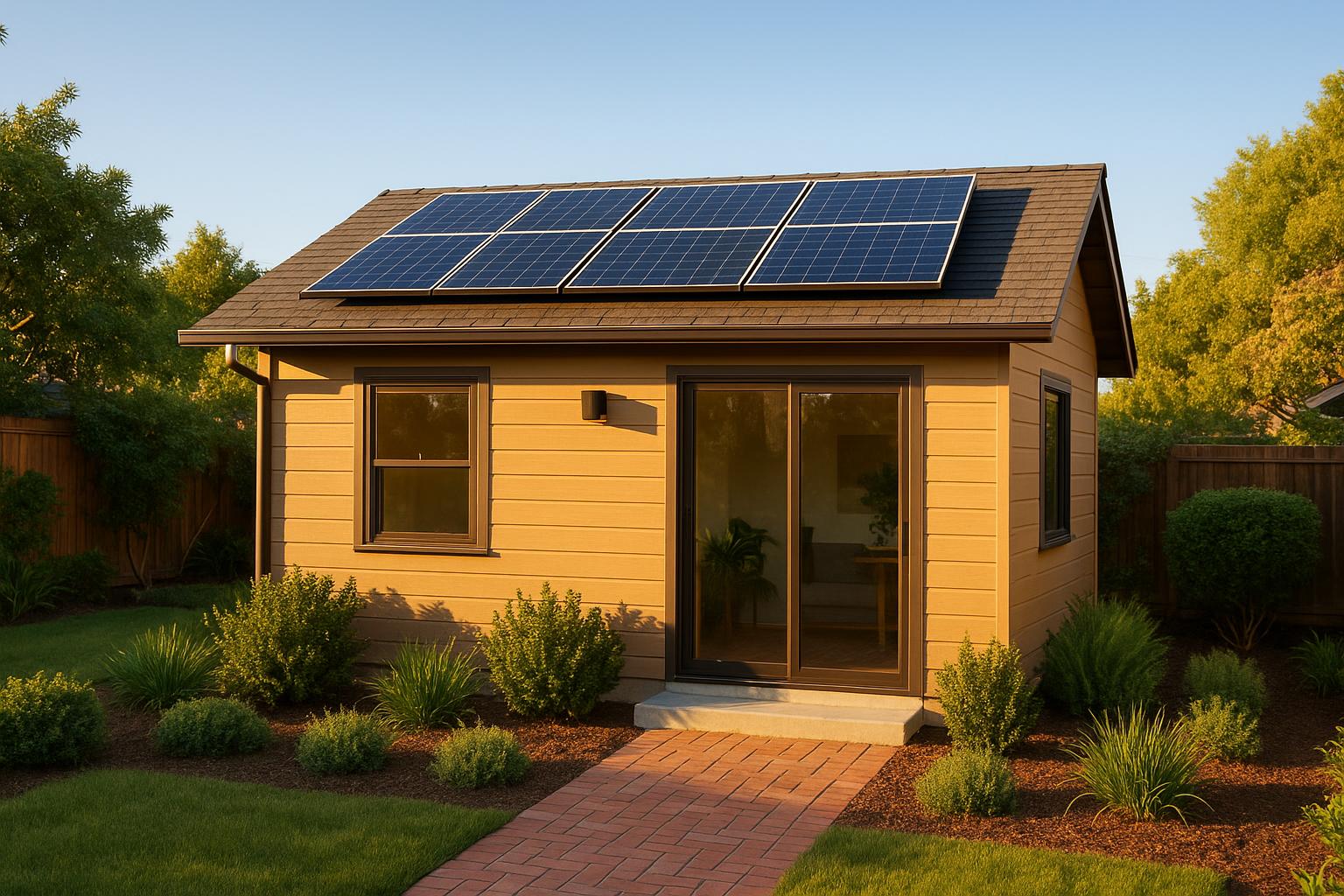
California's Title 24 energy codes set a high bar for ADUs, but exceeding them can cut costs and boost appeal. Here's how to make your ADU green and wallet-friendly:
Energy Impact: Efficient upgrades (high-performance windows, proper insulation, ENERGY STAR appliances, and a mini-split HVAC) can reduce an ADU's energy consumption by 35–50% compared to a standard setup.
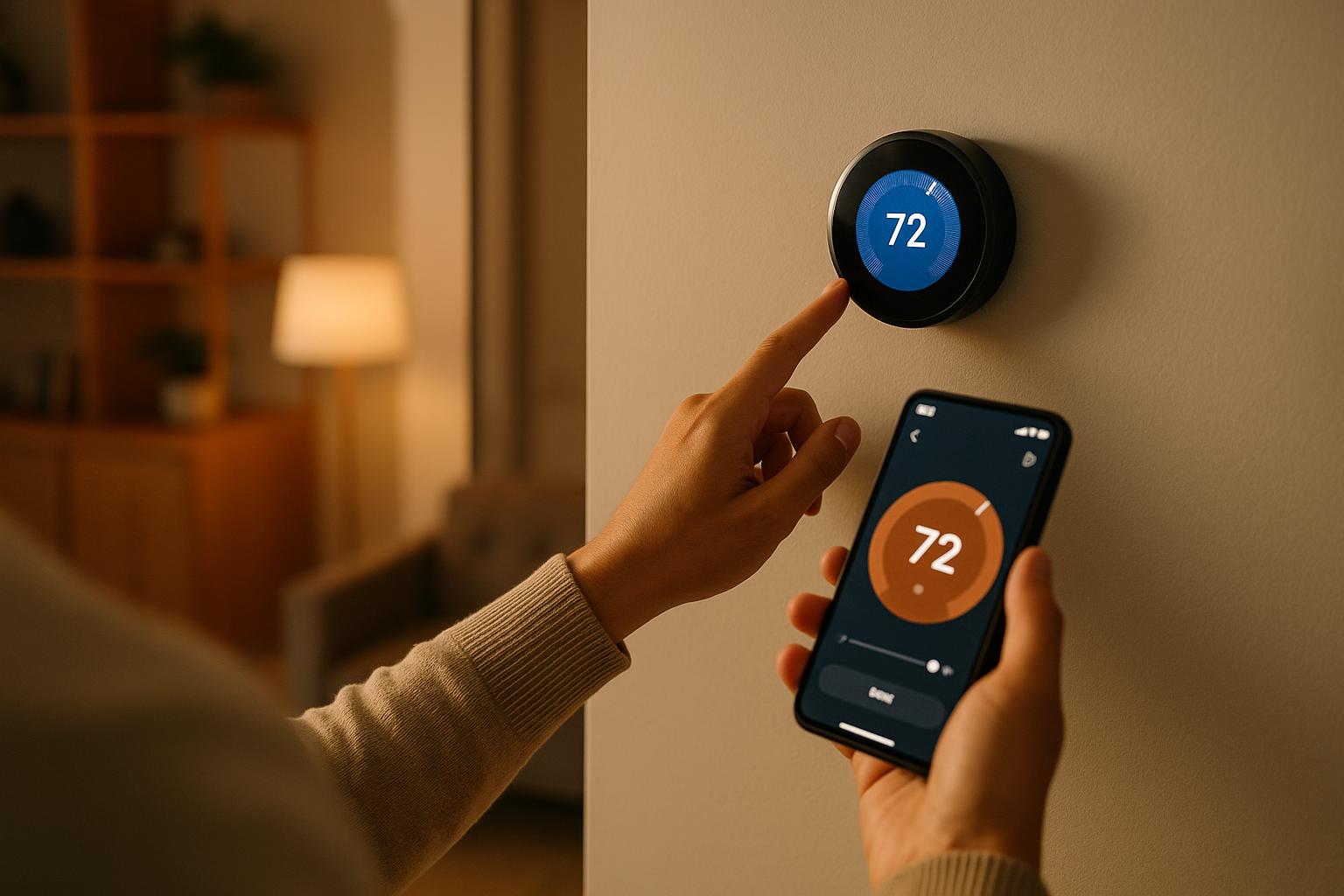
Integrating smart features makes your ADU modern and user-friendly. These upgrades are practical investments that pay off in comfort and marketability:
Table: Smart Tech Enhancements
| Technology | Advantage |
|---|---|
| Programmable Thermostat | Precise climate control, savings |
| Digital Locks | Secure, flexible access |
| Surveillance | Safety with minimal footprint |
| Home Automation (Matter-compatible) | Unified, future-proof operation |
Turning your ADU into an optimized gem means blending smart design with practical amenities, energy-saving measures, and tech-forward touches. This approach not only enhances livability but also positions your ADU as a desirable option in California's housing landscape. Up next, we'll cover final steps and next actions to bring your ADU journey to a successful close.
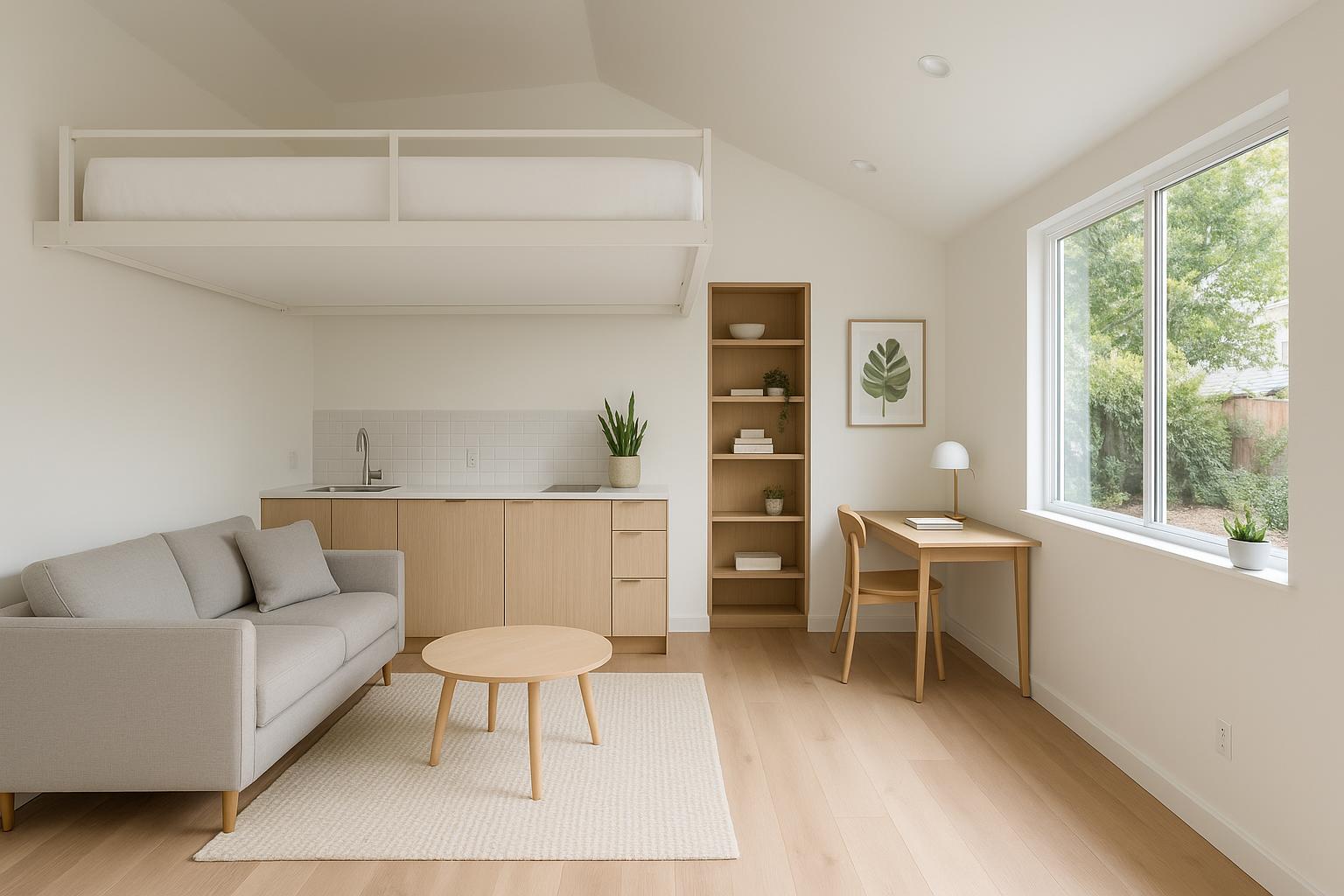
Congratulations! You've made it through the essential chapters of this guide, and now you're equipped with the knowledge to turn your ADU vision into reality. From understanding what an ADU is to navigating the complexities of design, construction, and permitting, you've gained a solid foundation. This final chapter ties it all together, offering a recap of the key takeaways, a step-by-step action plan, marketing guidance for rental ADUs, and real-world inspiration to help you confidently take the next steps.
Let's quickly revisit the core lessons from each chapter to reinforce what you've learned:
These chapters have armed you with the tools to build a successful ADU. Now, it's time to put that knowledge into action.
Building an ADU can feel overwhelming, but breaking it down into manageable steps makes it achievable. Here's your roadmap to get started:
Walk your property to identify potential ADU locations (backyard, garage, or basement).
Research Local Regulations
Use tools like California's ADU Zoning Map or your local zoning lookup to verify eligibility.
Create a Budget and Timeline
Set a realistic timeline, accounting for design, permitting, and construction (typically 6–12 months).
Hire Professionals (If Needed)
Vet contractors carefully, ensuring they have ADU experience and a valid California license.
Obtain Permits and Approvals
Expect a completeness check within 15 business days and approval within 60 days (or auto-approval).
Oversee Construction
Address any issues promptly to avoid delays or cost overruns.
Optimize and Finish
Complete final inspections and obtain your certificate of occupancy.
Market and Rent (If Applicable)
Table: ADU Project Checklist
| Step | Action Items | Resources |
|---|---|---|
| Assess Property & Goals | Identify ADU type and purpose | Property survey, zoning map |
| Research Regulations | Check zoning, setbacks, size limits, SB 543 exemptions | City planning website, zoning lookup |
| Budget & Timeline | Estimate costs, set project timeline | Cost calculators, contractor quotes |
| Hire Professionals | Select architect, contractor | CSLB license check, references |
| Obtain Permits | Submit plans, track completeness check | Building department, permit checklist |
| Oversee Construction | Monitor progress, manage changes | Weekly site visits, contractor updates |
| Optimize & Finish | Energy upgrades, smart tech, inspections | Chapter 7 guidance |
| Market & Rent | Stage, photograph, list online | Rental platforms, staging tips |
If you're building your ADU for rental income, getting it rented quickly and to the right tenant is just as important as building it well. Here's how to market your ADU effectively in 2026:
The rental market has evolved. Here are the most effective platforms in 2026: - Zillow Rental Manager — The dominant platform for California rentals. Free to list, massive reach. - Apartments.com — Strong visibility, especially for longer-term tenants. - Facebook Marketplace — Excellent for local reach, especially in suburban areas. - Furnished Finder — Ideal if you're targeting traveling nurses, remote workers, or medium-term tenants (30+ days). - Craigslist — Still functional but less prominent than it once was. Use as a supplement, not your primary channel.
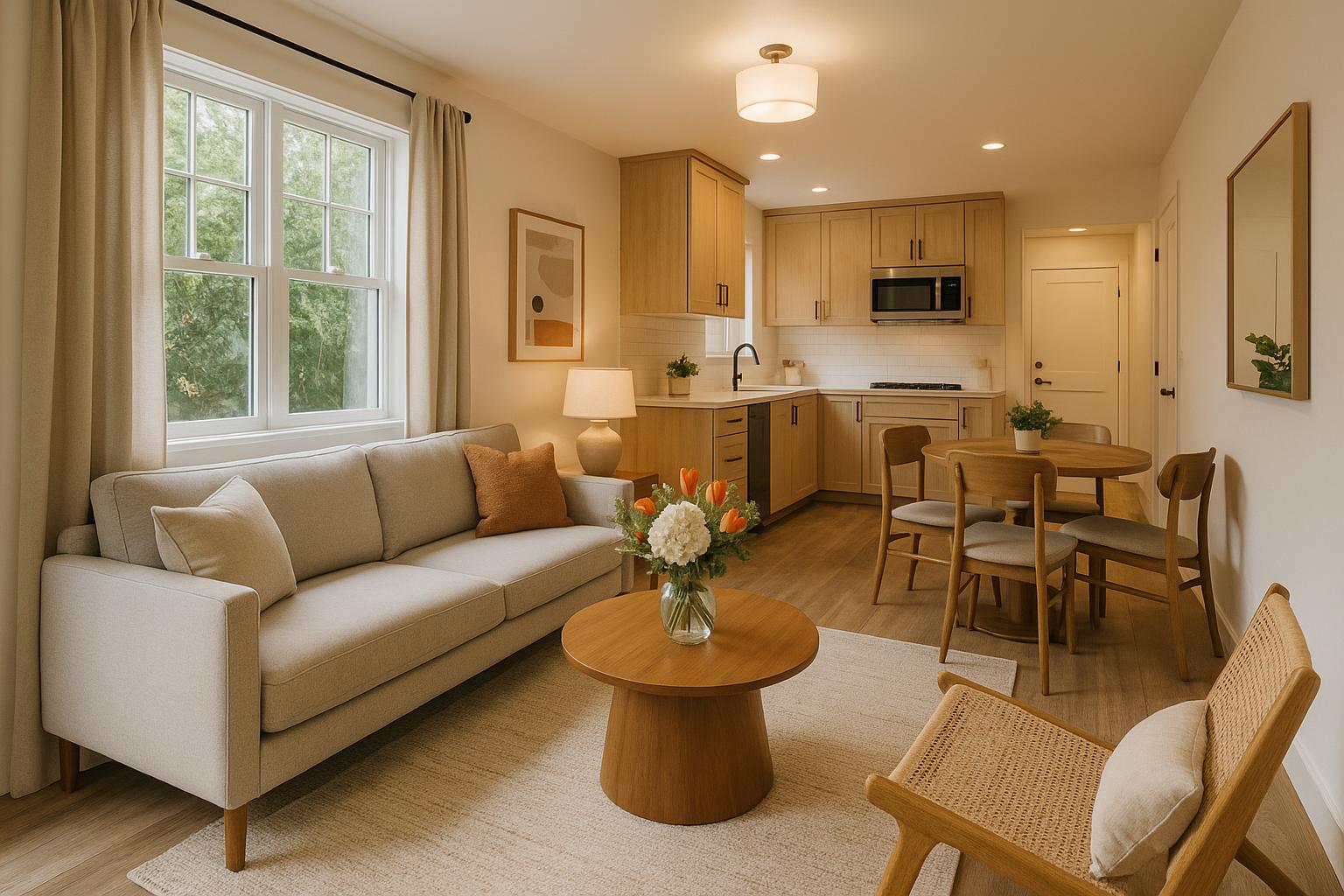
Even with a solid plan, mistakes can happen. Here's how to sidestep the most frequent ADU missteps:
Seeing how others have navigated the ADU process can inspire and reassure you. Here are two brief case studies:
Case Study 1: The Backyard Rental Location: Sacramento Details: A homeowner built a 600 sq ft detached ADU for $185,000 in 2025. By renting it for $2,500/month, they're on track to recoup their investment in under 7 years while boosting their property value by an estimated 15%. Key Takeaway: Smart budgeting and a focus on rental appeal paid off.
Case Study 2: The Family-Friendly Conversion Location: San Diego Details: A family converted their garage into a 400 sq ft ADU for $95,000 to house aging parents. The project took 5 months and saved them from buying a separate home. They took advantage of their city's pre-approved plans to speed up permitting. Key Takeaway: Conversions offer a cost-effective way to meet family needs.
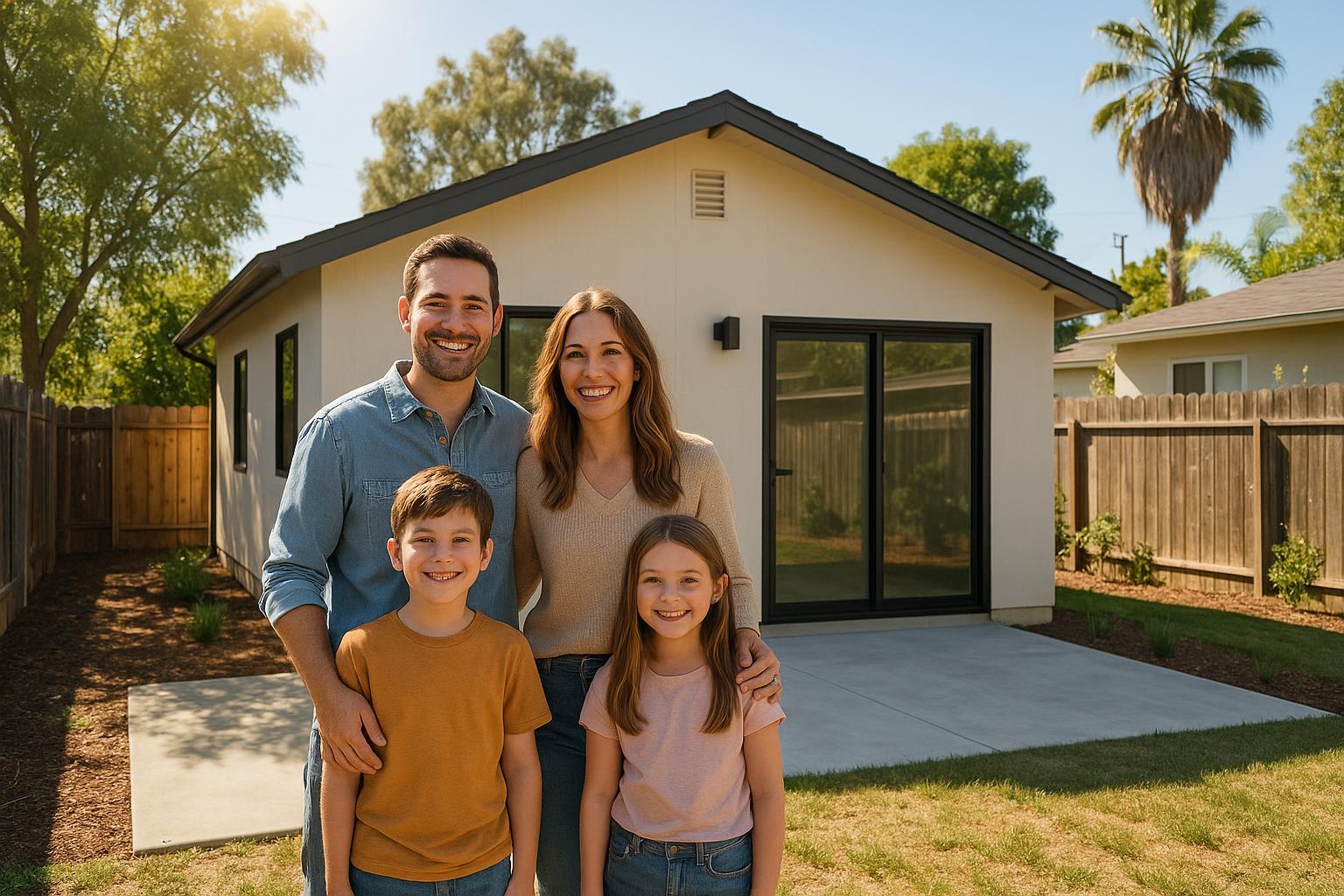
You've got the knowledge—now it's time to act. Building an ADU may seem complex, but the rewards are immense: financial freedom, family flexibility, and a lasting asset. Start small—visit your city's planning website today, or take a walk around your property to imagine the possibilities. Every great project begins with a single step, and yours is just ahead.
Remember, you're not alone. Lean on the resources, checklists, and tips throughout this guide to keep you on track. Your ADU journey is an investment in your future—embrace it with confidence.
This chapter recapped the essentials of your ADU journey, from planning and design to construction and marketing. You now have a clear action plan, marketing strategies for rental ADUs, tools to avoid common pitfalls, and real-world examples to inspire you. With the 2026 regulatory improvements making ADUs more accessible than ever, there's never been a better time to get started.
Thank you for joining me on this journey. Here's to your success!
Building or renting out an Accessory Dwelling Unit (ADU) in California can impact your taxes in various ways. This chapter offers an overview of key tax considerations—property taxes, income taxes, deductions, credits, and capital gains—to help you plan effectively. Note that tax rules can be complex and subject to change, so homeowners should still consult tax professionals to tailor this general advice to their specific circumstances.
Adding an ADU may increase your property's assessed value, potentially raising your property taxes. Under California's Proposition 13, only the ADU's value is typically reassessed, not your entire property. Some counties exempt ADUs under 750 square feet from reassessment, though policies differ by location. If you live in the ADU, you might qualify for the Homeowners' Exemption (up to $7,000 off assessed value), but it applies only to your primary residence—not both the main house and ADU.
2026 note: Some California jurisdictions offer property tax reassessment exclusions for ADUs built to house family members or provide affordable housing. Check with your county assessor's office to see if any local exclusions apply to your situation.
Renting out your ADU generates taxable income under federal and California law. You can offset this with deductions for expenses tied to the rental portion, including:
If you use the ADU for business (e.g., a home office), deductions may also apply, but only for the portion used exclusively for business. Learn more in the IRS's guide on rental income.
Certain ADU features may qualify for tax credits:
Affordable Housing: Some California cities provide incentives, such as tax breaks, for renting ADUs to low-income tenants. Contact your local housing authority for details, as these vary by jurisdiction.
Tip: Credits can lower costs significantly, but availability depends on specific programs and locations. Consult a tax professional to maximize your benefits.
When selling a property with an ADU, you may qualify for a capital gains exclusion under IRS Section 121—up to $250,000 for individuals or $500,000 for married couples—if the ADU was part of your primary residence. If you rented it out, the tax calculation becomes more complex: you may need to account for depreciation recapture and allocate gains between the primary residence and the rental portion.
| Tax Type | ADU Impact | Key Notes |
|---|---|---|
| Property Taxes | May increase with ADU's value | Check local exemptions; Prop 13 limits reassessment to ADU only |
| Rental Income | Taxable (federal + state) | Offset with deductions |
| Deductions | Tied to rental/business use | Includes depreciation (27.5 yr), utilities, maintenance |
| Tax Credits | For energy or affordability features | 30% Residential Clean Energy Credit through 2032 |
| Capital Gains | Exclusion possible if primary home | Rules differ if rented; depreciation recapture applies |
Your ADU's tax implications hinge on its use—whether for personal living, rental income, or business. Understanding these tax aspects can help you save money and avoid surprises. Given the complexity of tax laws, homeowners should still consult tax professionals to tailor this general advice to their specific circumstances.